Tribal Acknowledgement
“The Nehalem Basin Partnership is committed to honoring and learning from the Tribes of the Nehalem Basin as we live and work in this watershed. The sovereignty, well-being, cultures, and languages of Indigenous People are born of their homelands, making these lands and waters cherished by Native communities. As a partnership of many organizations and agencies, we bear responsibility to respect the lands and waters and steward them for future generations"
"We recognize the Indigenous People and Tribes that persist today and honor their resilient spirit as they continue to preserve their cultures, spiritual practices, and languages for themselves and their children. This is a living statement meant to grow and evolve as our understanding grows and evolves.”
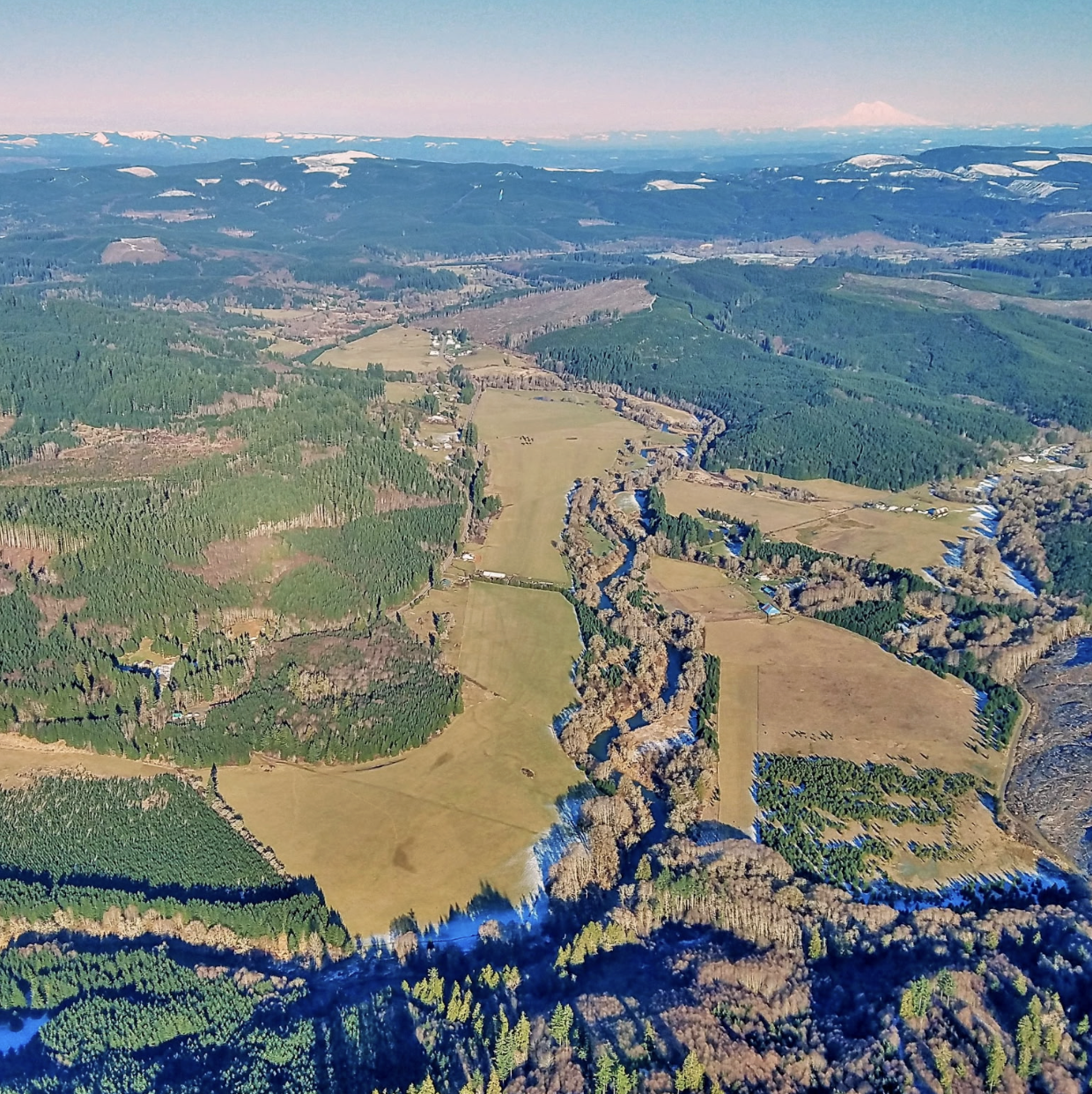
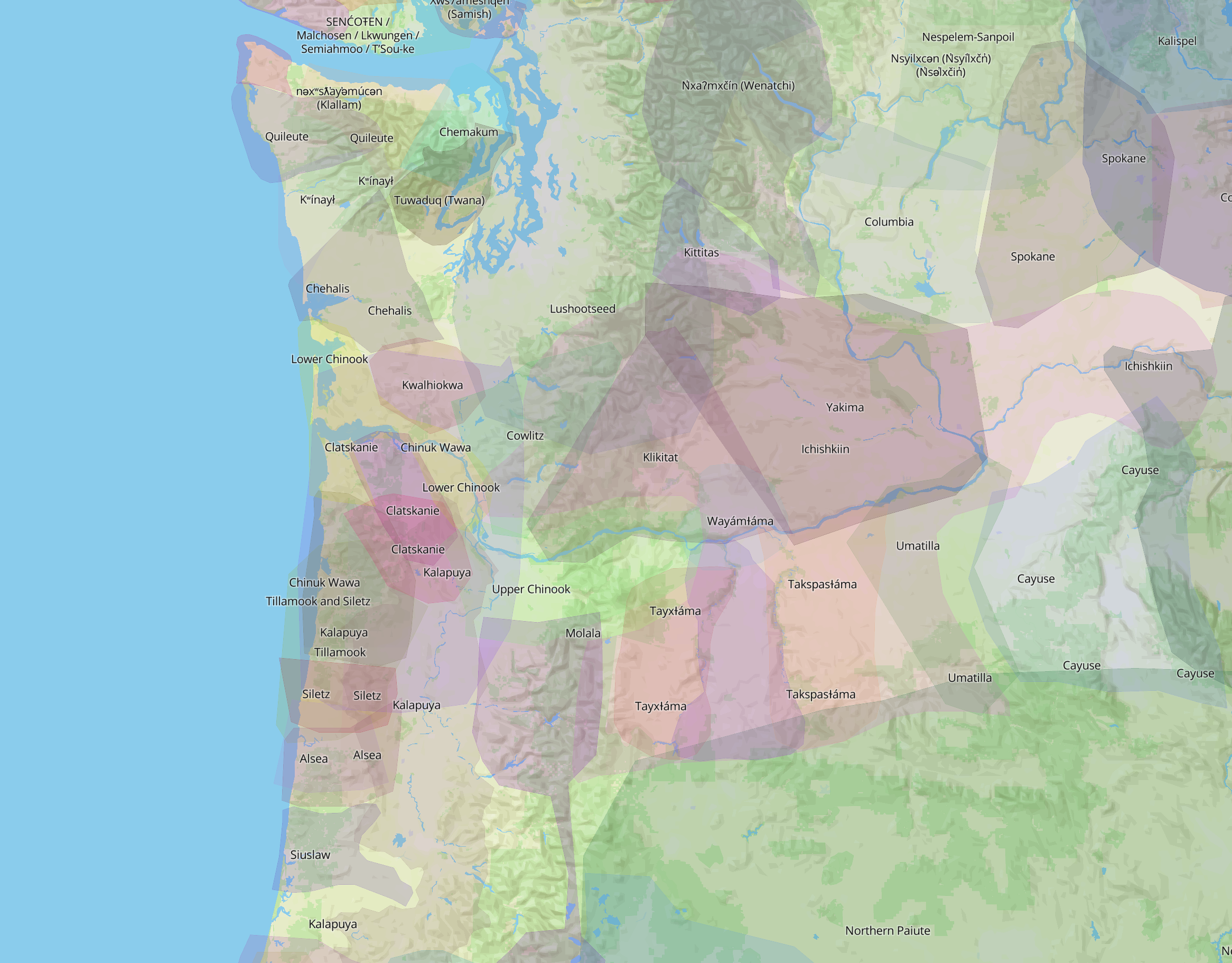
Athapascan-speaking Clatskanie lived near the Upper Nehalem River within the old-growth forests that provided abundant resources by the time of Lewis & Clark's 1805 arrival, their advanced society conducted frequent trade with their Clatsop and Chinook neighbors. Their descendants are now enrolled members of the Confederated Tribes of the Grand Ronde and the Confederated Tribes of the Siltez Indians.
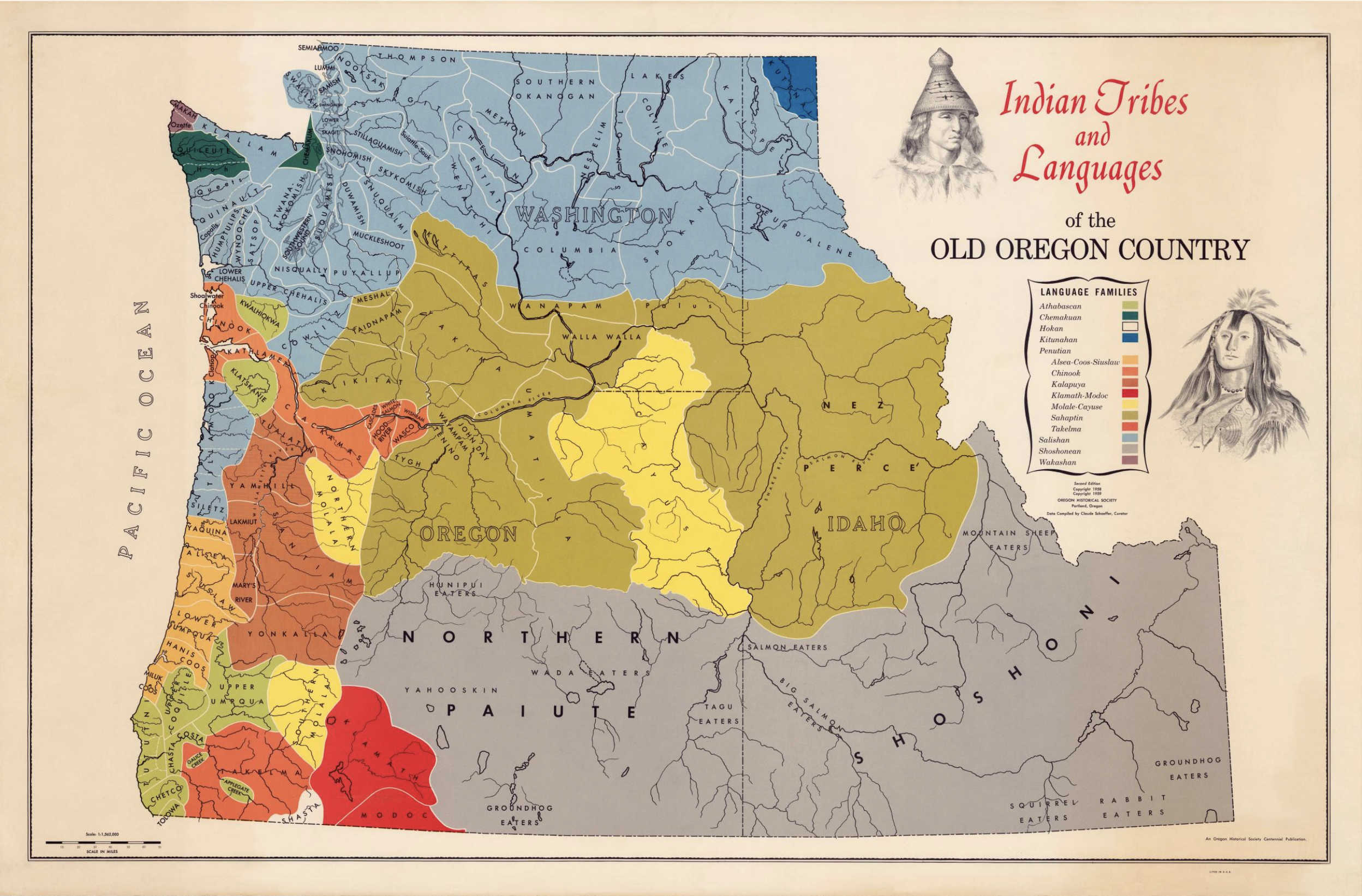
The Nehalem Basin was home to many Indigenous peoples dating back 11,000 years including:
Chinook
Clatskanie
Clatsop, Cowlitz
Grand Ronde
Nehalem
Salish
Siletz
Ne is a common prefix for place in the Salishan language spoken by Tillamook people.
Chinook people called the Upper Nehalem itack 'ani, meaning those of the regions of the small oaks.
Native Land Map