
Nehalem Coho Habitat Initiative
Focused Investment Partnership
A Focused Investment Partnership (FIP) program is an OWEB investment that addresses a board-identified ecological priority of significance to the state; works toward achieving clear and measurable ecological outcomes; uses integrated, results-oriented approaches as identified through a strategic action plan; and is implemented by a high-performing partnership.
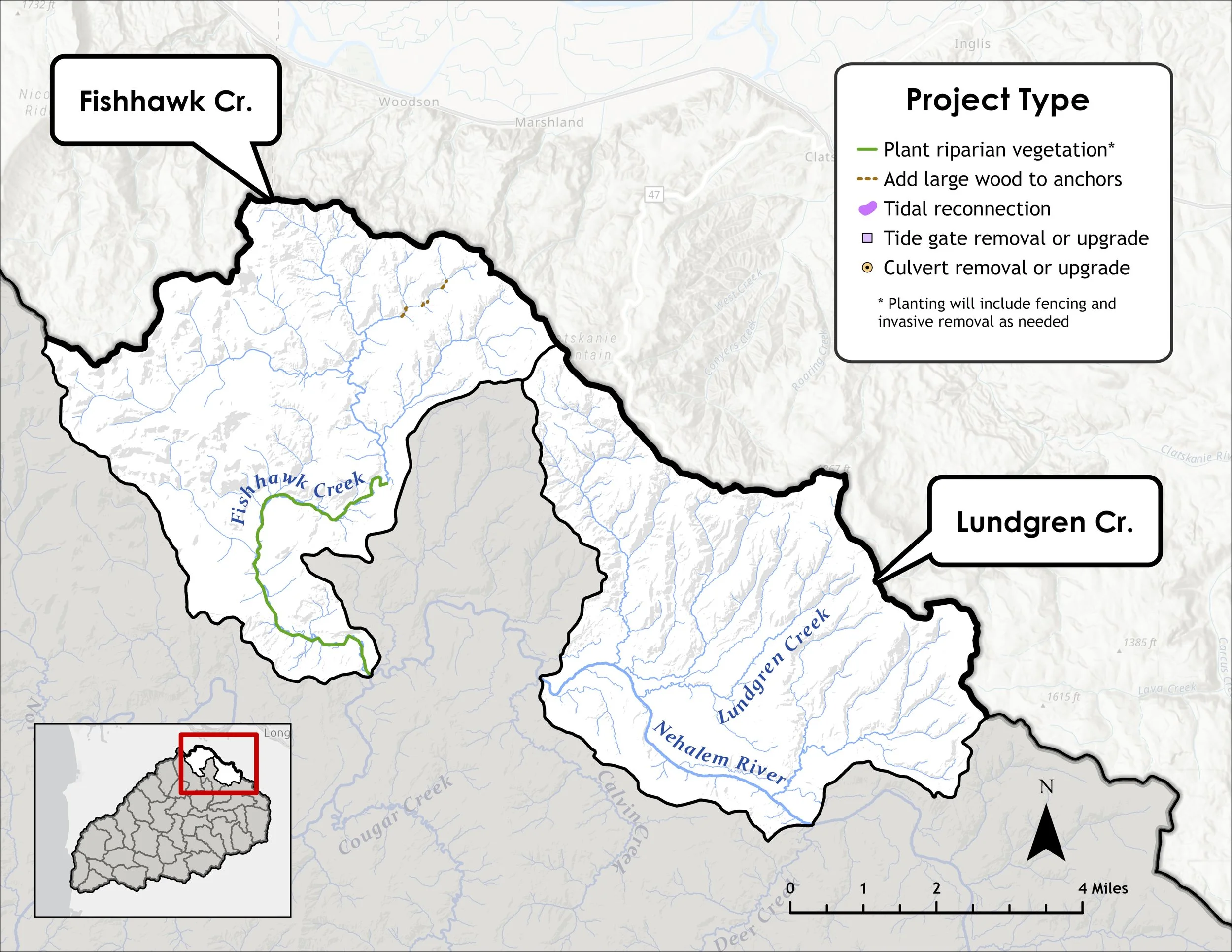
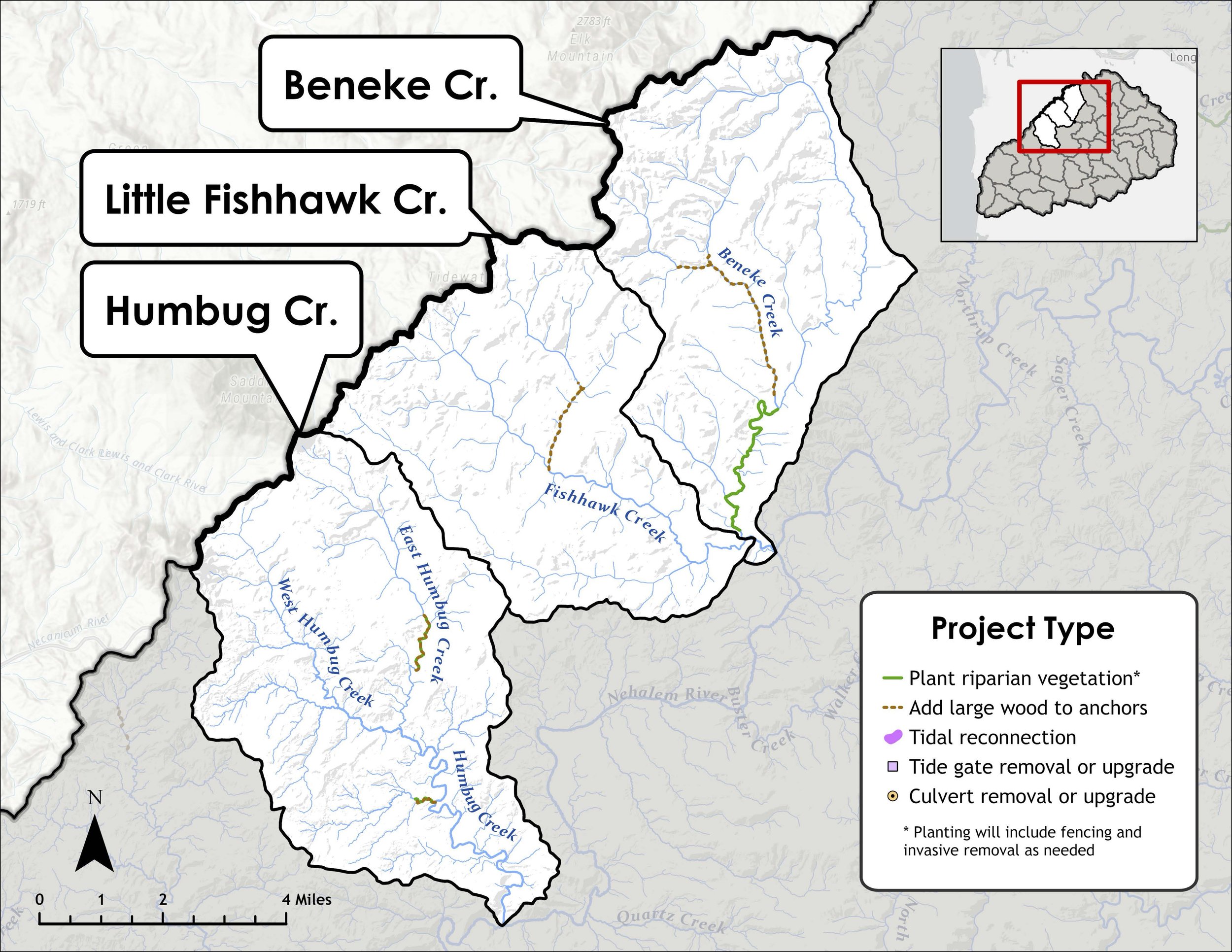
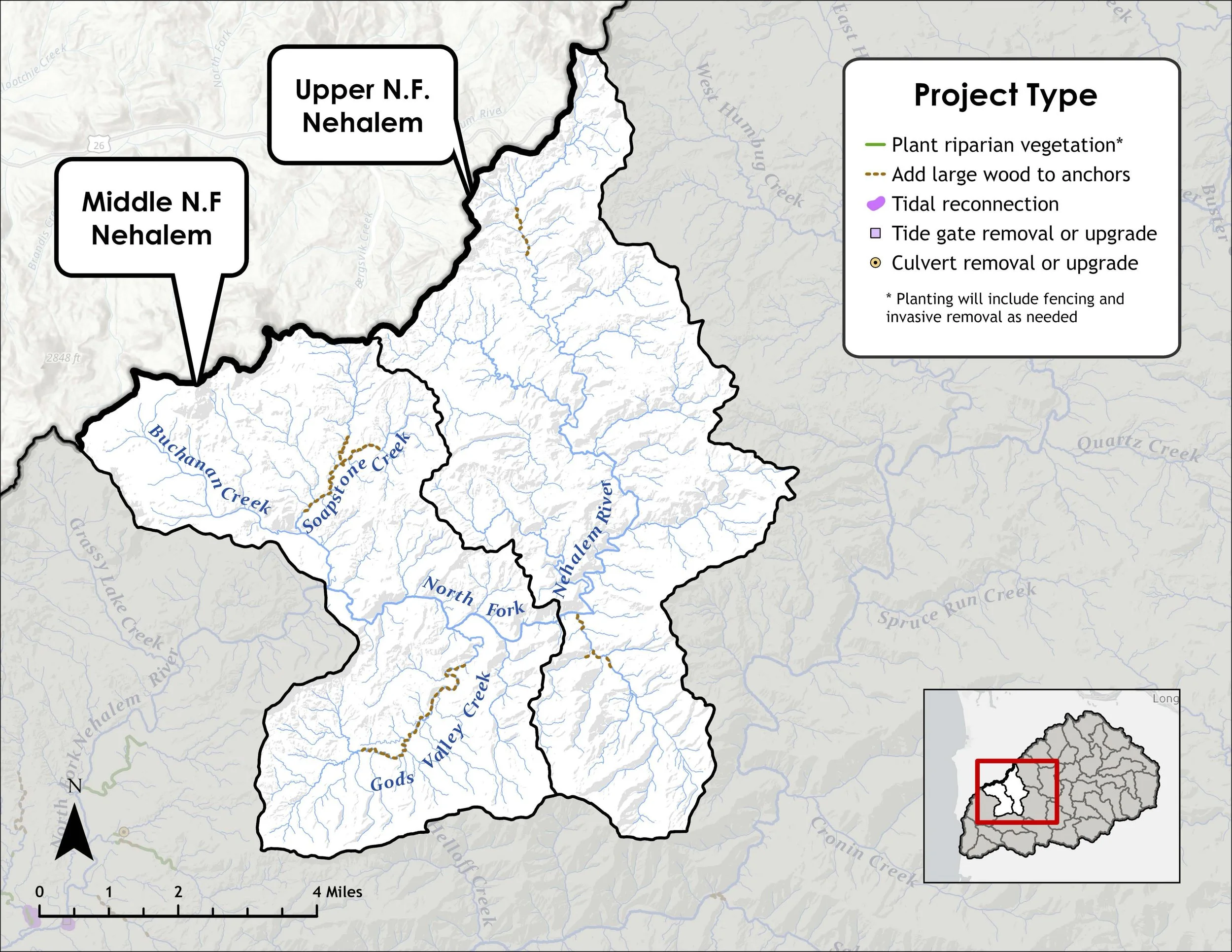
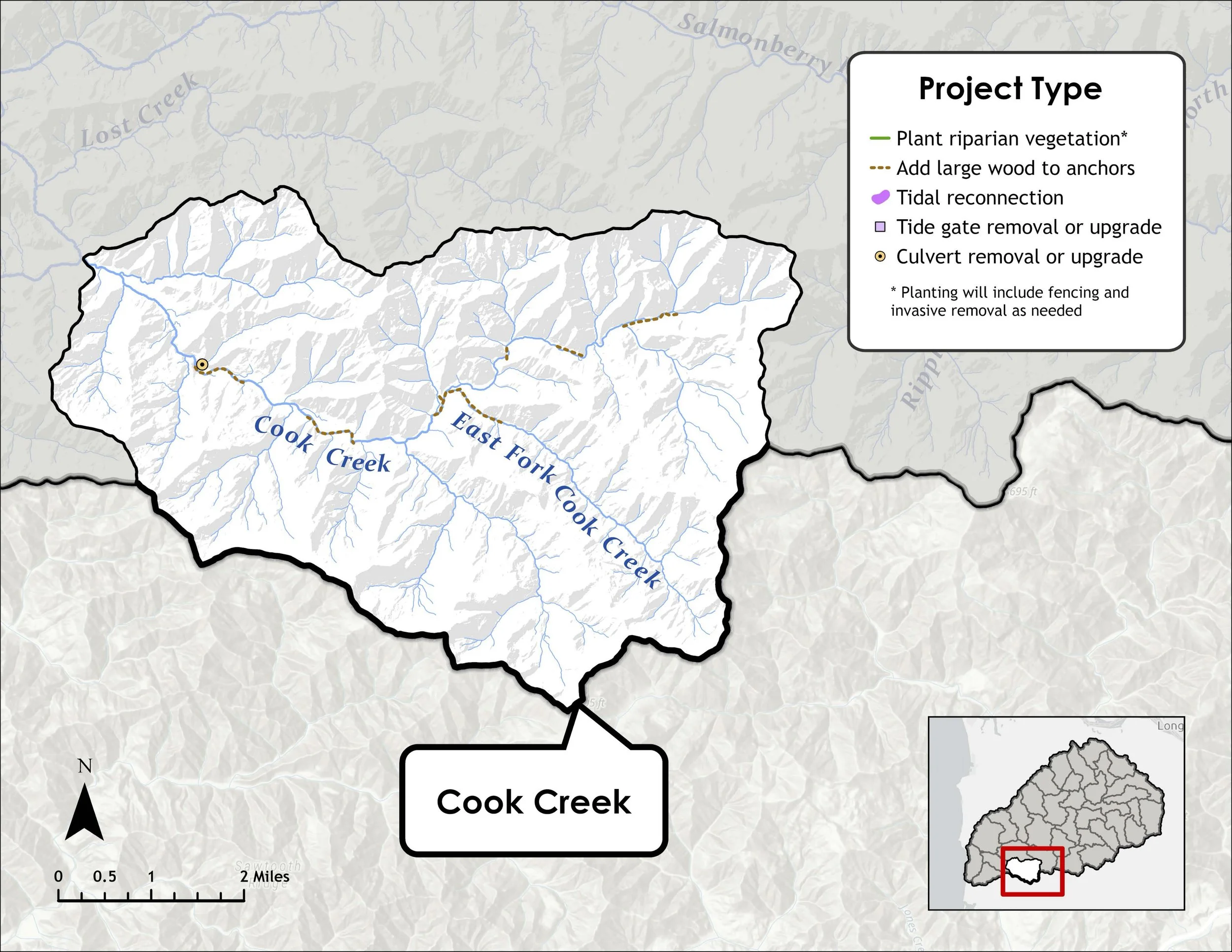
Watershed Priority Map
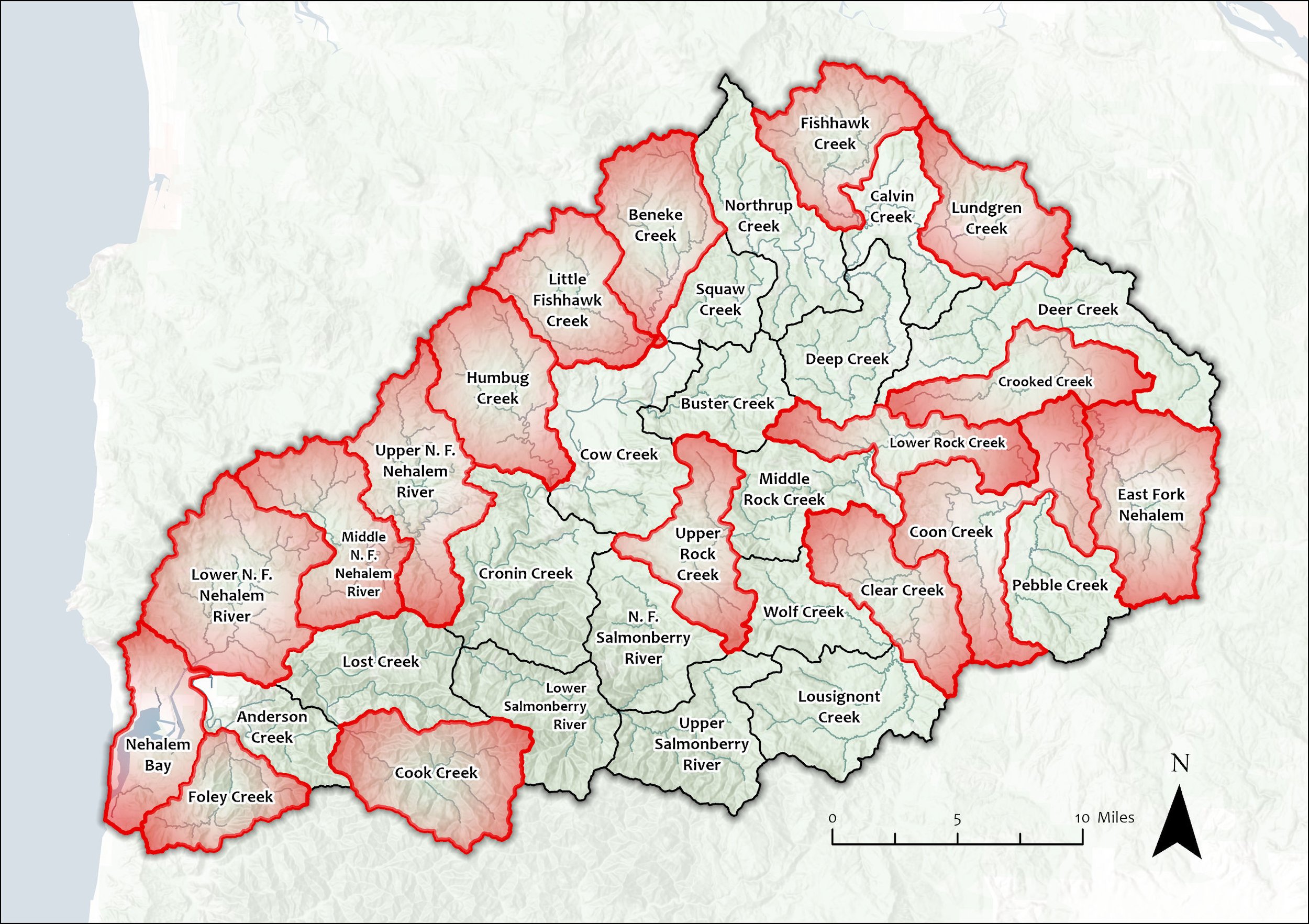
The areas in red represent our Nehalem sub-basin focus areas.
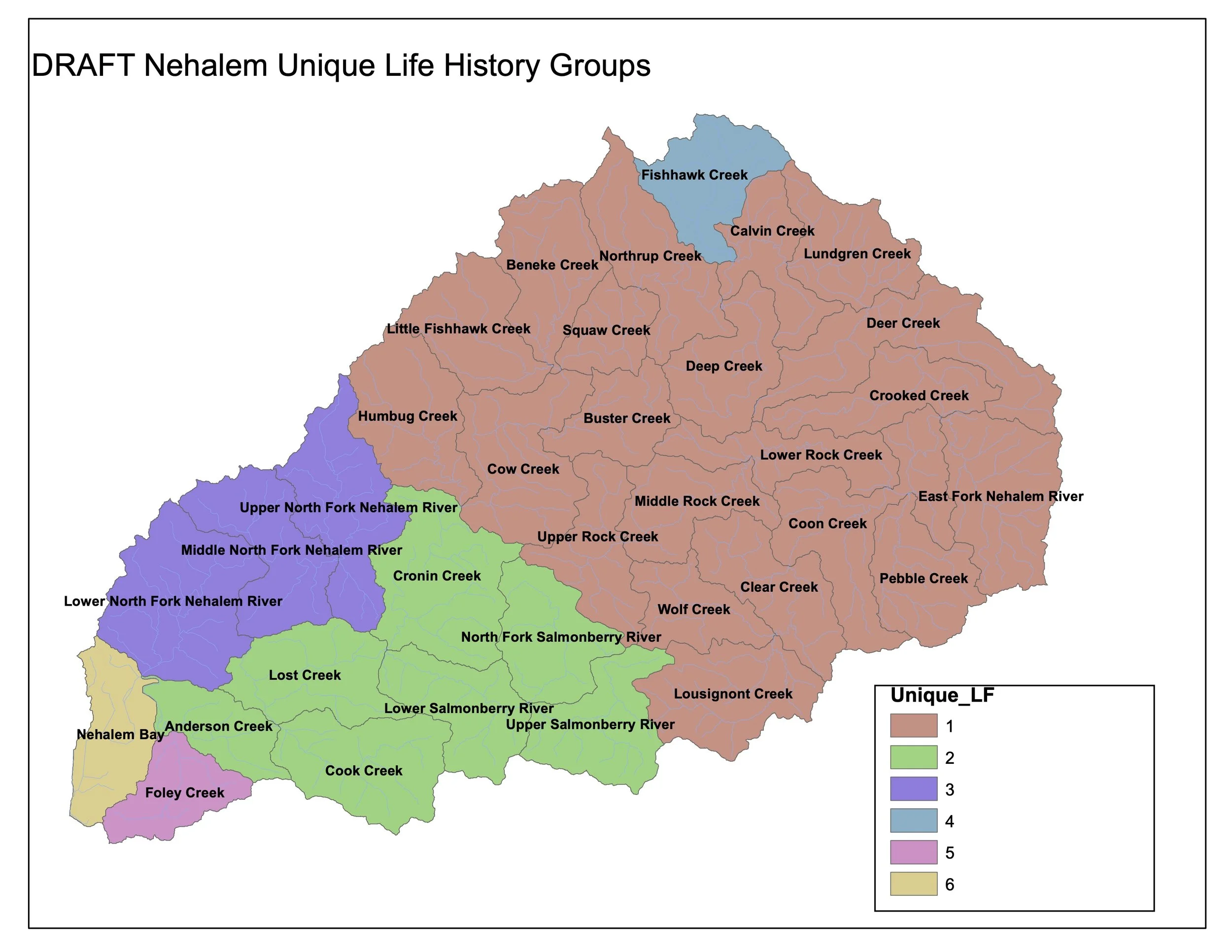
Coho Life History Map
Unique Life Histories for Nehalem Basin Coho
6th Field Spawners upstream of Humbug Cr confluence (including mainstem Nehalem above RM 90 at Vernonia).
Unique Features:
Tuffaceous siltstone and sandstone / Marine sedimentary
High IP
Exhibits the unique capability of surviving extremely high colloidal concentrations of suspended sediment year round (Crooked Cr)
Complex variations known to exist within each general Life History pattern:
Overwinter in 6th field
Mainstem nomads that rear in estuary (spring, summer, winter)
Mainstem nomads that do not reach estuary (summer rear in 2nd / 3rd order thermal refuge in tribs to mainstem / broad distribution)
6th Field Spawners in Salmonberry / Cronin Cr / Cook / Lost
Unique features:
Tillamook volcanics
Low IP
North slope contributions (temp)
Cronin Cr stock exhibits high c. shasta resistance. Indications from other hatchery studies conducted at the NF Nehalem hatchery suggest c. shasta resistance may be a genetic trait broadly distributed in wild Nehalem coho (Trask hatchery stock crosses w/ Fish hawk Lake stock)
Complex variations known to exist within each general Life History pattern:
Overwinter in 6th field
Mainstem nomads that rear in estuary (spring, summer, winter)
Mainstem nomads that do not reach estuary (summer rear in 2nd / 3rd order thermal refuge in tribs to mainstem / broad distribution)
6th Field Spawners in NF Nehalem
Unique features:
High potential for exposure to genetic dilution from hatchery
Differential fitness, productivity, hidden benefits
Tuffaceous siltstone / sandstone (lower basin, unique from similar upper basin geologies because of varying temporal access that can dramatically effect run timing)
High IP
Complex variations known to exist within each general Life History pattern:
Overwinter in 6th field
Mainstem nomads that rear in estuary (spring, summer, winter)
Mainstem nomads that do not reach estuary (summer rear in 2nd / 3rd order thermal refuge in tribs to mainstem / broad distribution)
6th Field Spawners Fishhawk Cr
Unique Features:
Significant Lake rearing
Exhibit c.shasta resistance (Lichatowich, 1985)
Combined tuffaceous siltstone / sandstone and marine sedimentary
Complex variations known to exist within each general Life History pattern:
Overwinter in 6th field
Over winter in Fish Hawk Lake
Mainstem nomads that rear in estuary (spring, summer, winter)
Mainstem nomads that do not reach estuary (summer rear in 2nd / 3rd order thermal refuge in tribs to mainstem / broad distribution)
6th Field Spawners of the lower 5th Field, Foley Cr
Unique Features:
Lower Basin
North Slope (spring fed, extremely unique temperature profiles)
Differential survival and growth rates associated w/ nomadic strategy
High potential for temporal differences in spawning and emergence
Coevolution with viable chum salmon population
Combined tuffaceous siltstone / sandstone and mafic intrusive rock
Complex variations known to exist within each general Life History pattern:
Overwinter in 6th field
Mainstem nomads that rear in estuary (spring, summer, winter)
General environmental and biotic factors that have the capacity of influencing life history diversity in freshwater
Thermal barriers that develop in relation to changes in climactic conditions. An appropriate example is where low flow winter flow scenarios create both a temperature barrier (too cold) and a hydrologic barrier (low flows limiting access to natal 6th fields) for spawning migration. This scenario results in creating a survival advantage for late run timings that produce adults with a high condition factor capable of holding for long periods in mainstem habitats before initiating spawning migrations.
Adult size that has the capacity of influencing escapement targets (stream size) and capitalizing on variable gravel sorts. Jacks and Jennys may be more effective at utilizing very small streams for spawning and incubation.
The proliferation of beaver likely creates a unique coho life history strategy. Exceptional growth rates that alter outmigrant timing. This scenario results in survivors that may be more capable of avoiding predation.
Prepared by:
Steve Trask
Senior Fish Biologist
Bio-Surveys, LLC.
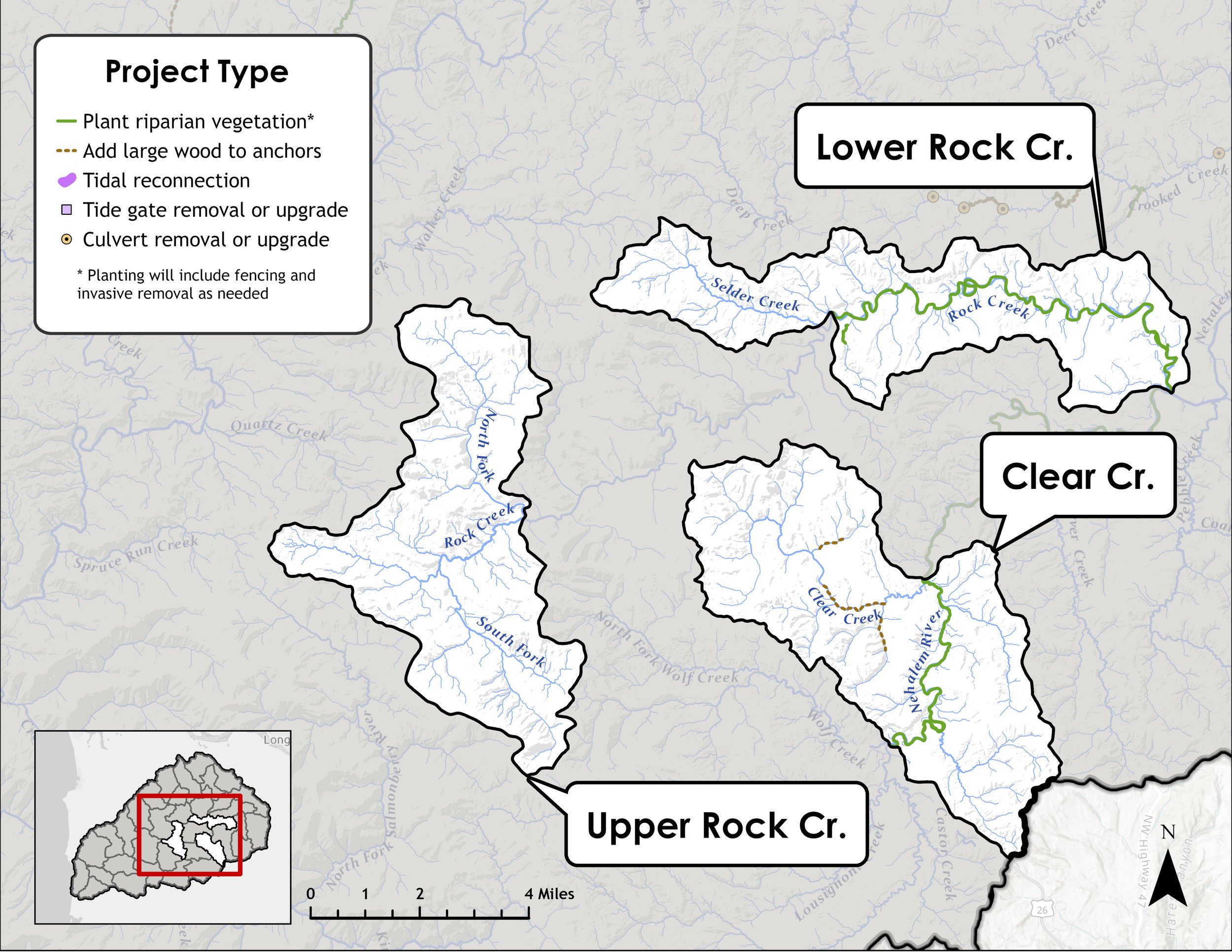
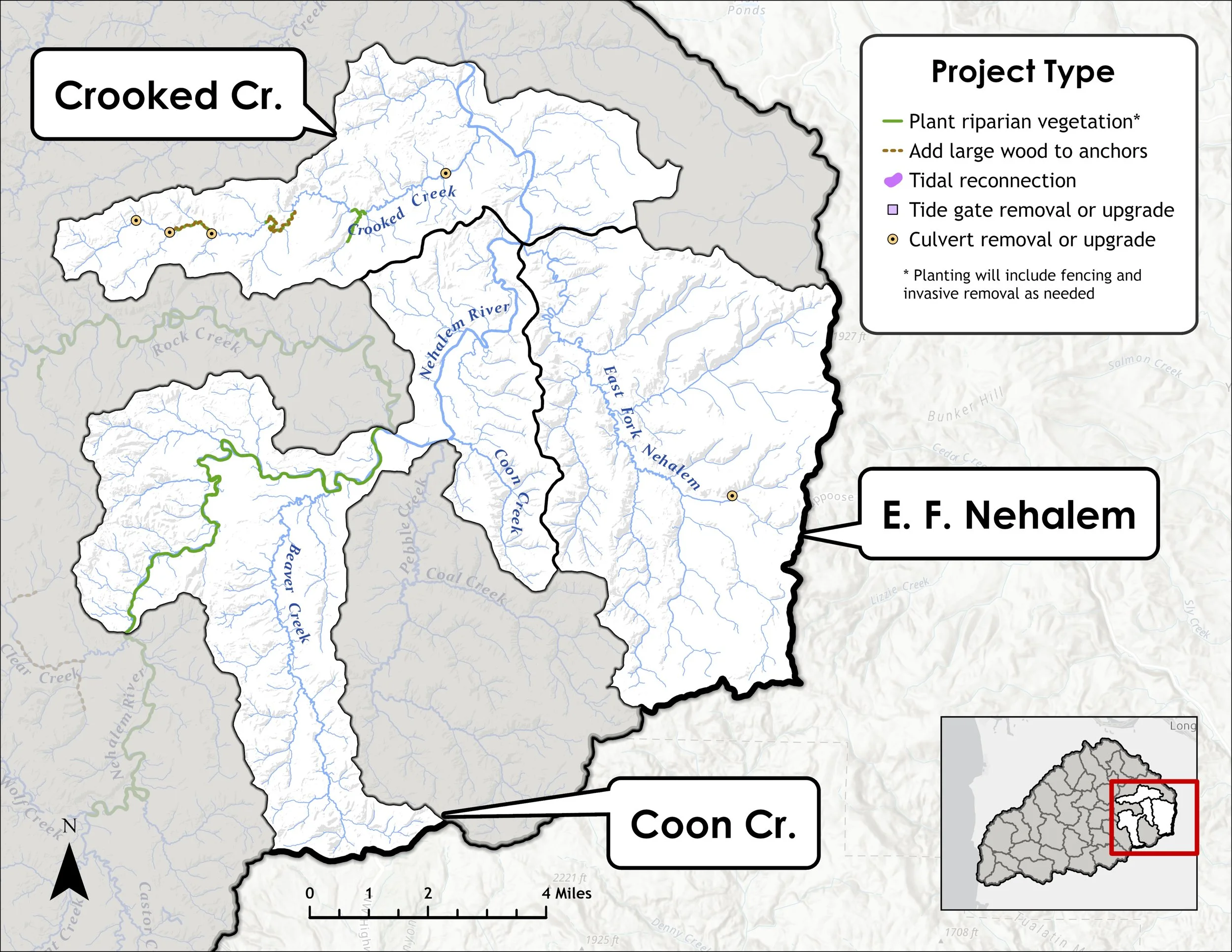
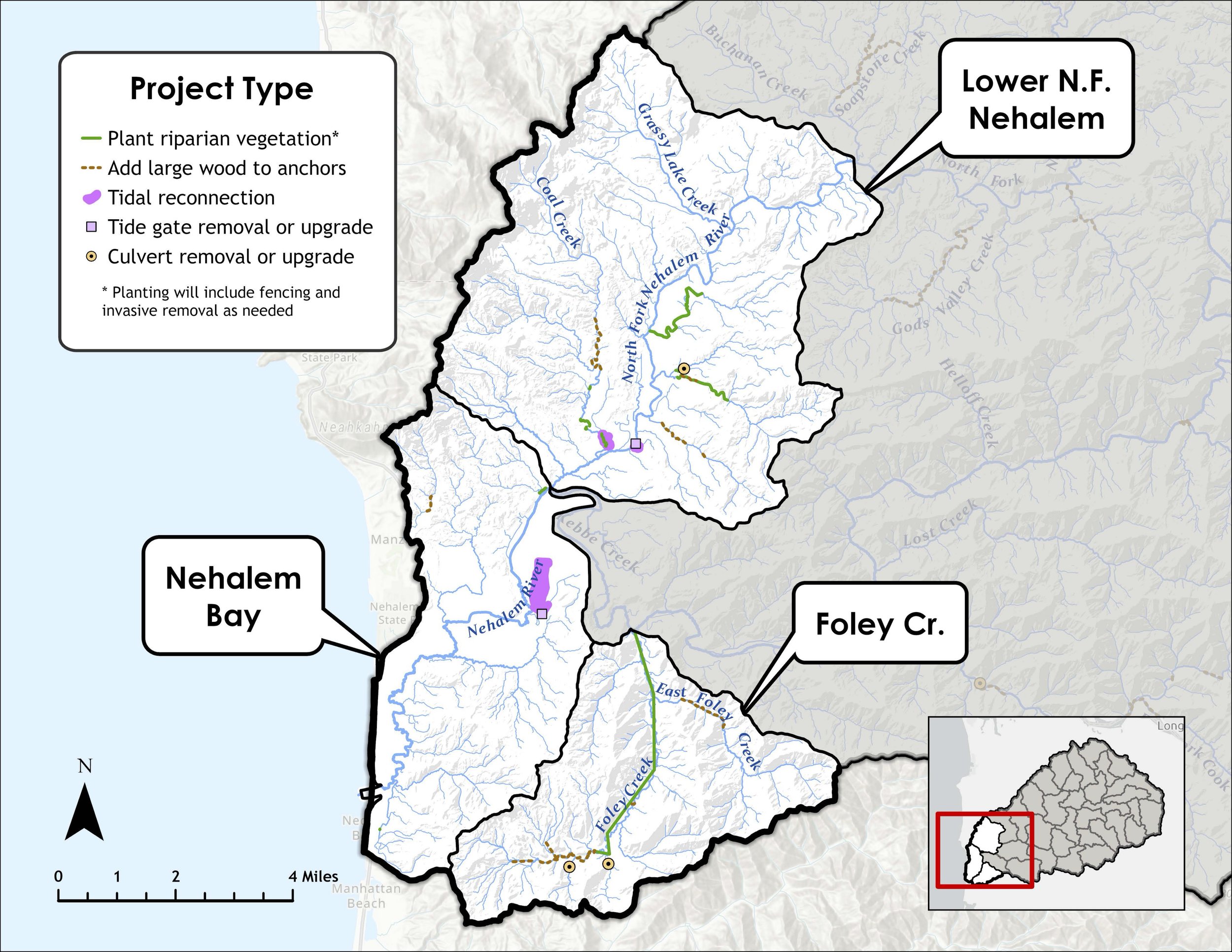
FIP Work Plan
Below you will find our three biennium work plan starting in 2027.
FIP Initiative Budget
Below you will find our FIP Initiative Budget for 2027-2029.
FIP Progress Monitoring
Below you will find our progress monitoring spreadsheet.